

Vietnam’s Fluorspar Advantage: Fueling the Clean Technologies Revolution
As the global race toward clean energy accelerates, one mineral is quietly becoming the cornerstone of modern technology. Fluorspar – once used primarily in steelmaking and aluminum refining – now sits at the heart of the clean-tech revolution. It is an essential input in the production of battery-grade electrolytes, solar panels, wind turbines, semiconductor etching agents, and next-generation low–global-warming refrigerants.
China Tightens the Grip: A Global Wake-Up Call
China’s dominance in critical minerals has long been a double-edged sword for global industries, providing reliable volume, but at the cost of growing dependency. After restricting exports of tungsten and antimony, Beijing is slowly tightening its grip on each mineral, which is critical for advanced technological innovation and clean tech.
Holding nearly ~80% of the world’s fluorspar production and refining capacity, according to Visual Capitalist, China wields unmatched influence across the value chain. Industry data show that while China’s fluorspar exports have steadily declined, imports of fluorspar surged ~38% in 2024 to exceed one million two hundred tonnes, reflecting a deliberate shift toward retaining value-added processing at home. This dual approach of retaining value-added materials underscores a deliberate strategy: to fortify domestic industries while reshaping global supply dependencies.

The ripple effects are being felt worldwide. With supply chains stretched and inventories falling, global manufacturers are racing to diversify, a shift that is redefining sourcing strategies across the semiconductor and battery sectors.
Demand Rising Faster Than Supply Can Catch Up
As global clean-tech industries accelerate, Fluorspar, in its acid-grade form (Acidspar), has rapidly evolved from a traditional industrial feedstock into a strategic enabler of the energy transition. Much of China’s output is now locked within its booming EV and semiconductor ecosystems, leaving global buyers scrambling for alternatives. Market Analysts forecasts a 25–30% increase in global fluorspar demand by 2030, driven by exponential growth in Electric Vehicles (EVs) and Energy Storage Systems (ESS). The market deficit is projected to widen over the next decade, with demand expanding at a CAGR of 4.5% while supply growth remains constrained.

At the core of this demand is lithium hexafluorophosphate (LiPF₆) – a critical derivative of fluorspar and an essential component in lithium-ion batteries. Beyond batteries, fluorspar’s derivatives are vital for high-purity hydrofluoric acid (HF) used in semiconductor manufacturing, as well as fluoropolymers and refrigerants crucial to EV cooling and renewable energy systems.
As usage continues to outpace the growth of diversified and ethical supply, prices are expected to remain elevated well into the decade, cementing fluorspar’s place alongside lithium, cobalt, and tungsten as a cornerstone of the modern clean-tech economy.
Vietnam’s Emerging Role: A New Source of Stability
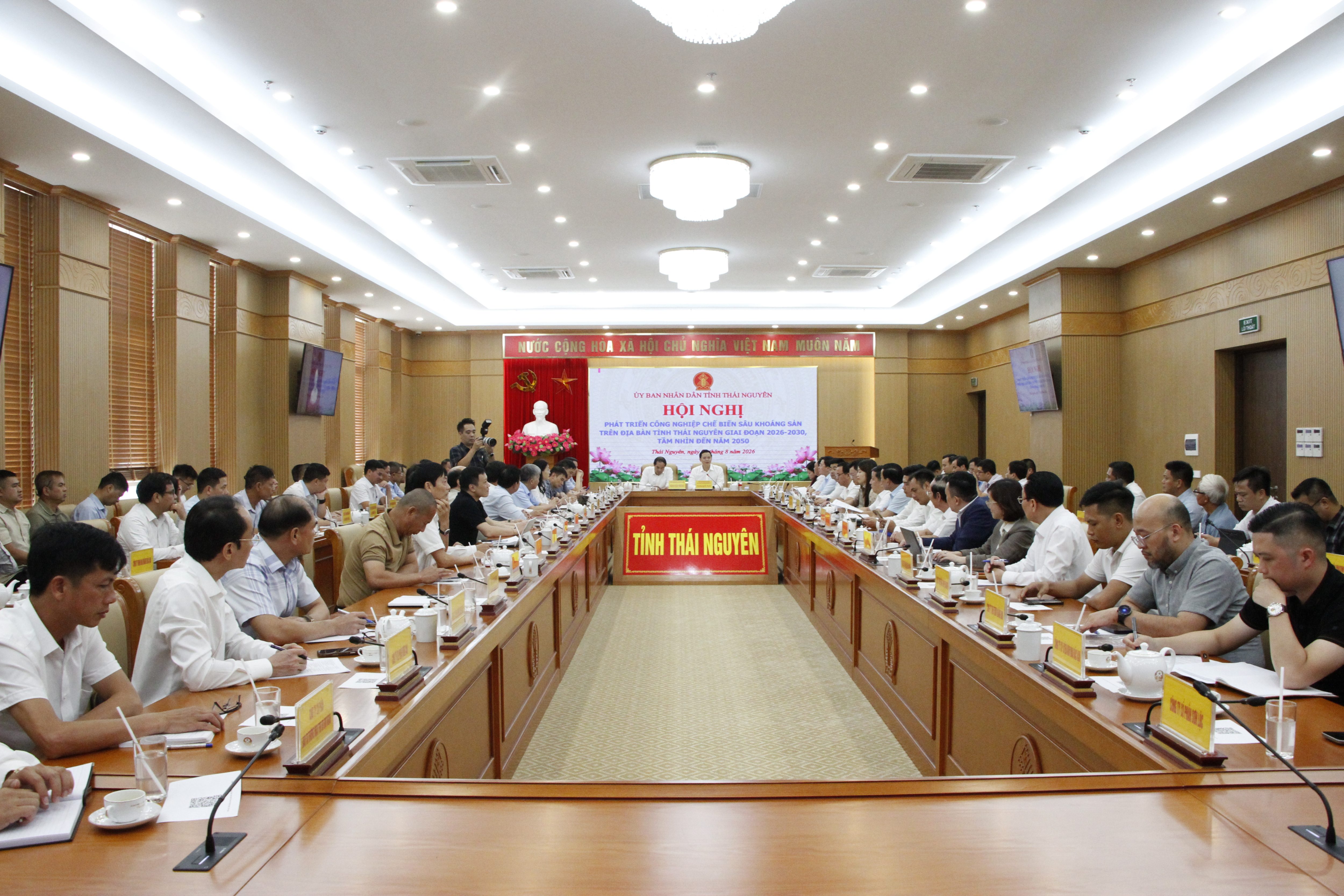
Beyond China, few nations possess both the resources and technical expertise to produce fluorspar at scale, and Vietnam is one of them. According to the United States Geological Survey (USGS, 2022), Vietnam ranked fifth globally in fluorspar production, accounting for around 2.7% of global output. Anchored in Thai Nguyen Province, the Nui Phao polymetallic deposit ranks among the world’s largest sources of fluorspar, alongside tungsten, bismuth, and copper.
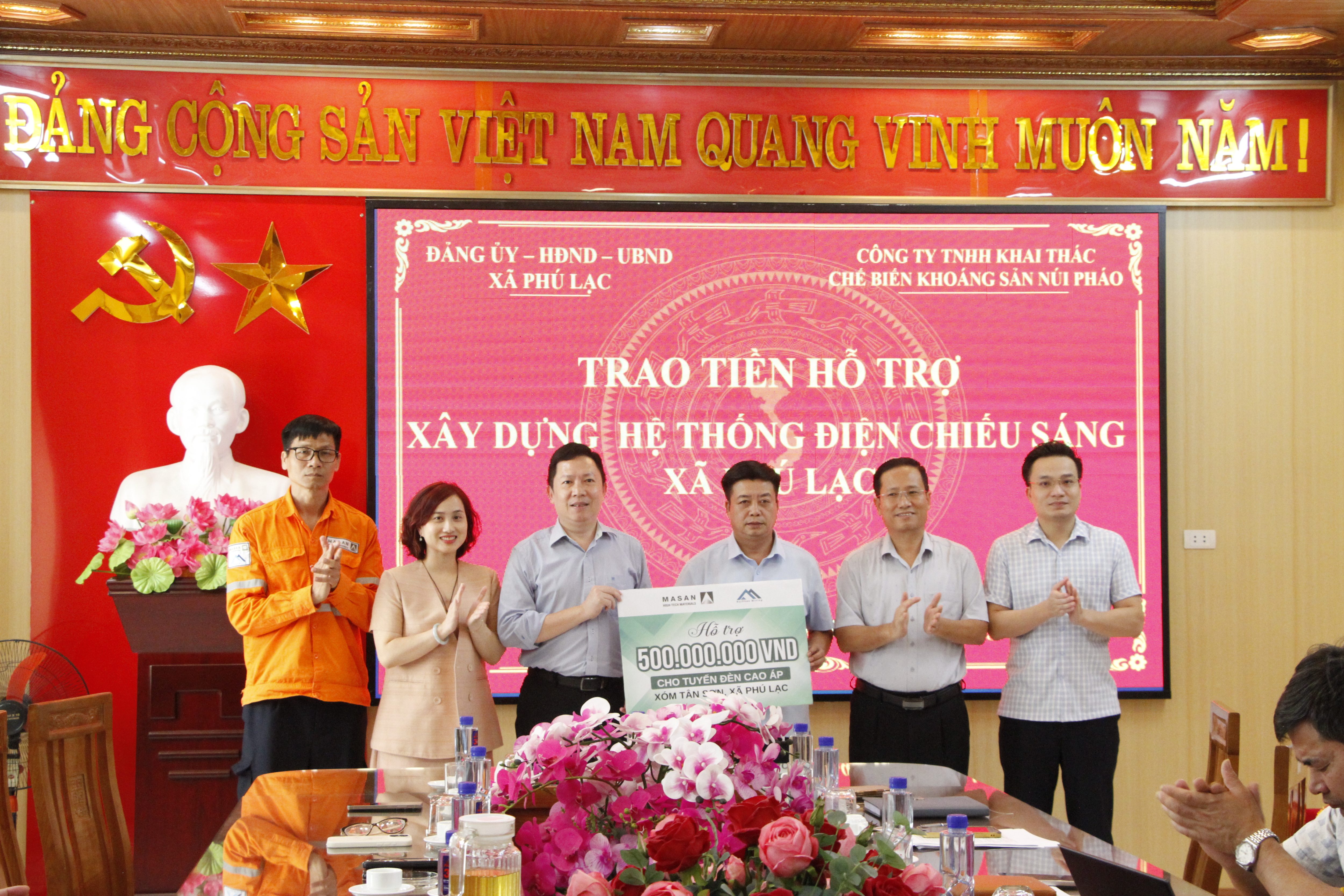
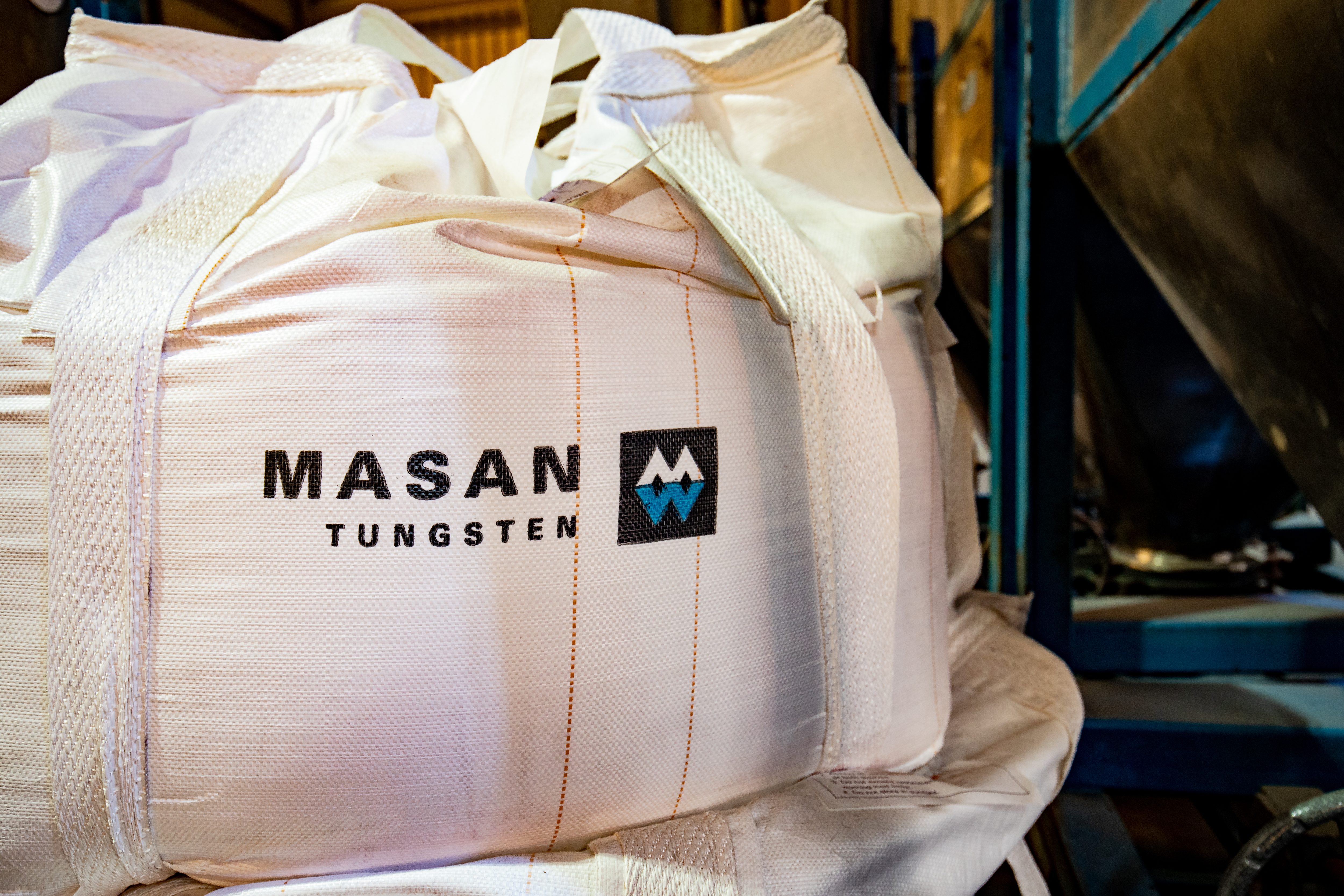
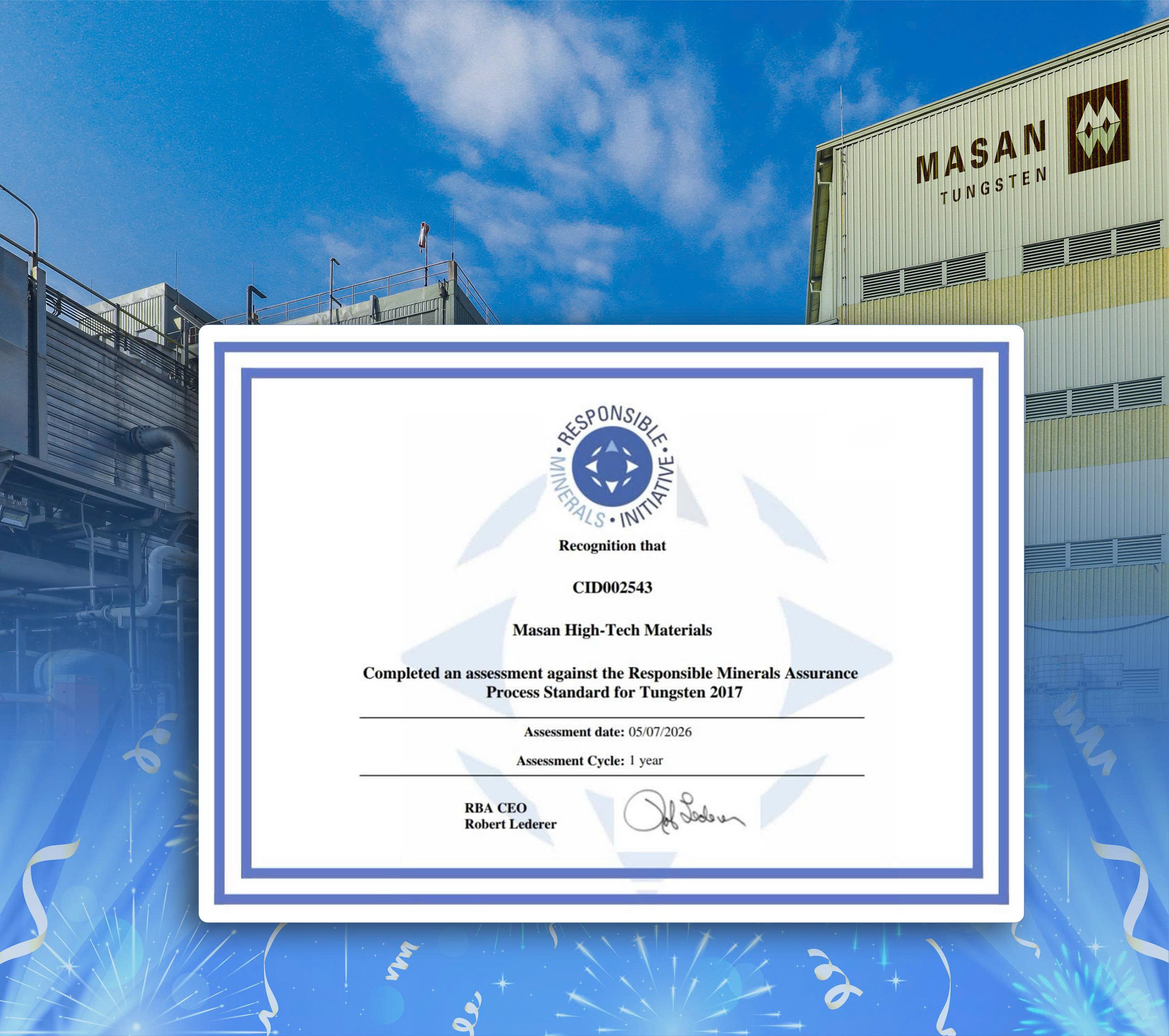
Through the Nui Phao project, Masan High-Tech Materials (MHT) has built one of the few fully integrated and responsible supply chains outside China, offering global industries a resilient and sustainable alternative in the critical minerals space.
MHT’s model is built on End-to-End Integration, from responsible mining to producing high purity acidspar concentrate, ensuring traceability, quality, and supply security. Its leadership gained global recognition when MHT co-hosted the International Fluorine Forum with IMFORMED in 2022, marking Vietnam’s debut on the global fluorine map. Nearly 200 experts visited the site and praised MHT’s innovation and sustainability efforts.

A New Era of Resource Strategy
The age of easy access to raw materials is over. In the clean-energy economy, true strength no longer lies in possession, but by how responsibly it transforms its resources: through innovation, collaboration, and sustainability.
As global supply chains diversify and industries seek trusted partners, Vietnam – through pioneers like Masan High-Tech Materials – is emerging as a credible force proving that progress and responsibility can advance together. Critical materials such as tungsten, antimony, fluorspar, cobalt and bismuth are no longer mere commodities; they have become the backbone of a smarter, cleaner, and more resilient global economy.
By shaping a responsible and technology-driven supply chain, Vietnam is redefining what it means to be a resource nation: turning natural wealth into sustainable value and shared prosperity for the world.