

EU Prioritizes Tungsten, MSR Benefits from New Strategy
The European Union (EU) has recently added tungsten and rare earths to its top priority list in its first strategic reserve program, aiming to reduce dependence on supplies from China. According to Reuters, this move reflects a major shift in how Western economies view these strategic materials: no longer merely as industrial commodities, but as assets critical to supply chain security and technology.

Against the backdrop of AI, semiconductors, defense, and high-tech industries entering a new cycle, scarce tungsten assets outside of China are becoming increasingly important. This is also why the global market is starting to revalue businesses that own strategic resource assets—especially vertically integrated platforms with the capacity to mine, process, and supply stably in the long term.
From Industrial Commodity to Strategic Asset
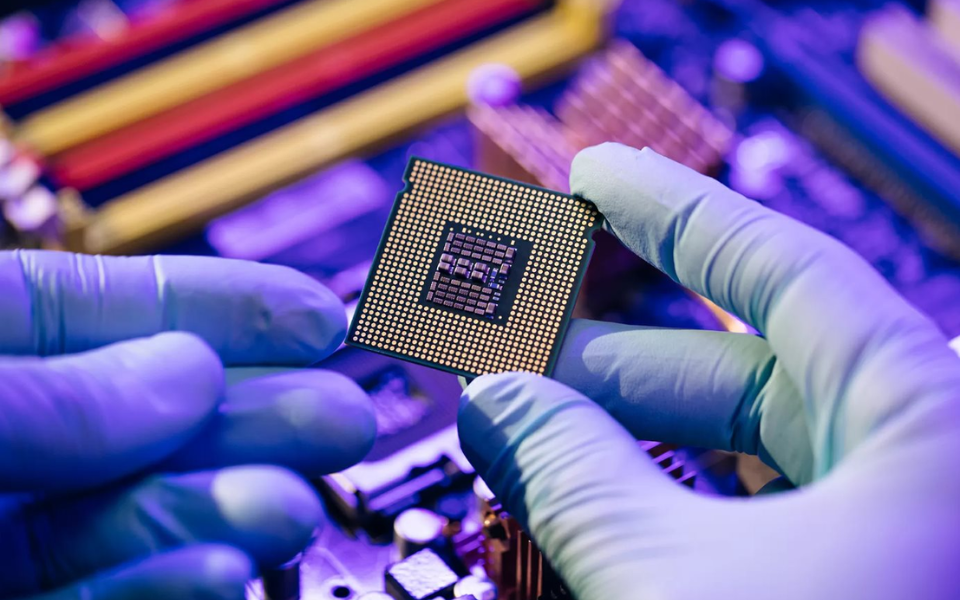
Tungsten is currently one of the most irreplaceable materials in many high-tech industries due to its extreme hardness and superior heat resistance. This metal is used in semiconductor chips, AI devices, batteries, aerospace, defense, and many other strategic industrial sectors.
However, the global supply of this metal is increasingly concentrated, with China still controlling the majority of the world’s tungsten supply chain. As many Western countries aggressively push strategies to reduce dependence on China, tungsten assets outside of China are becoming significantly scarcer.
This is rapidly shifting the role of companies that own strategic resource assets. While tungsten was previously viewed primarily as a cyclical industrial commodity, many economies now consider it a material of strategic importance for technological security and supply chains.
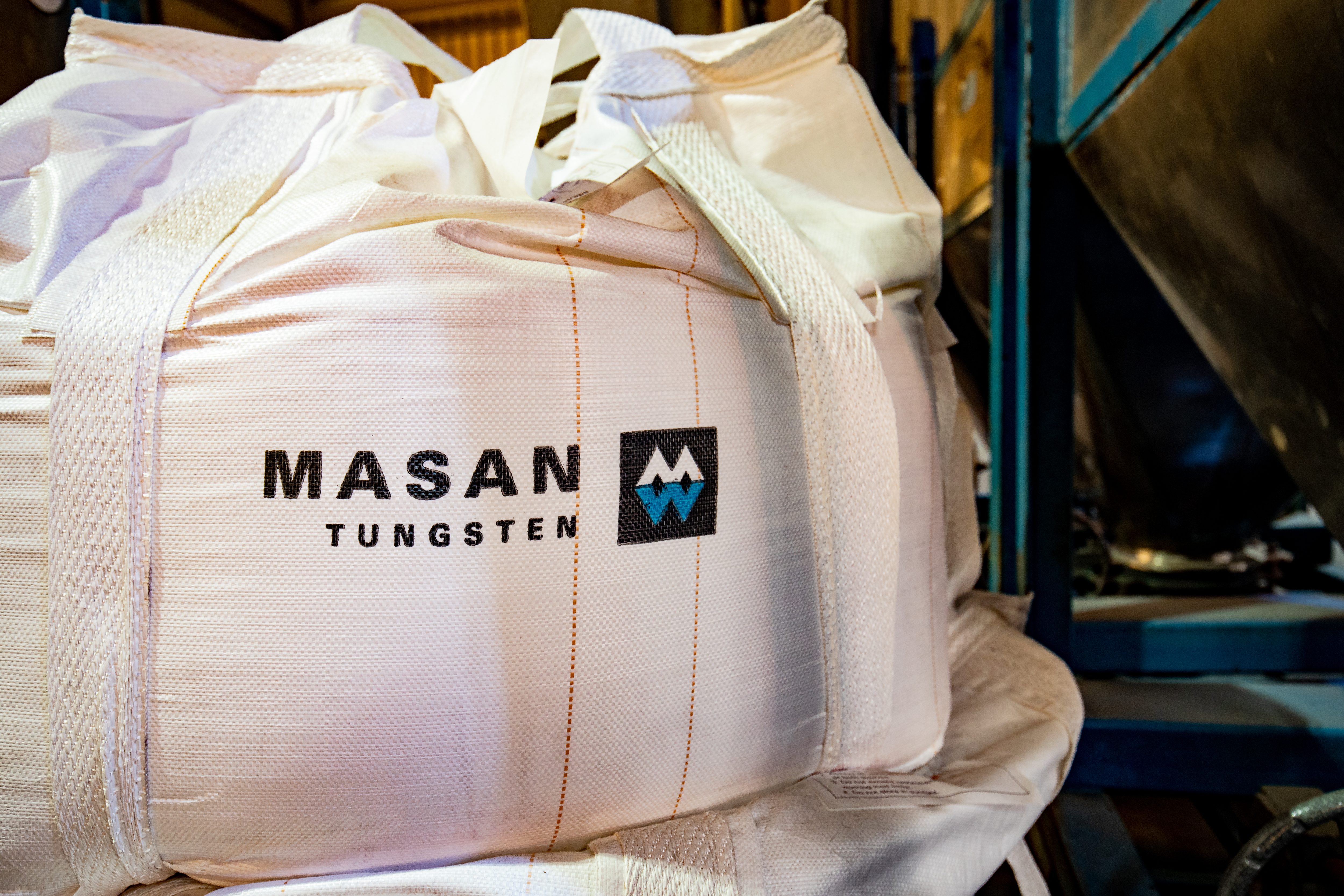
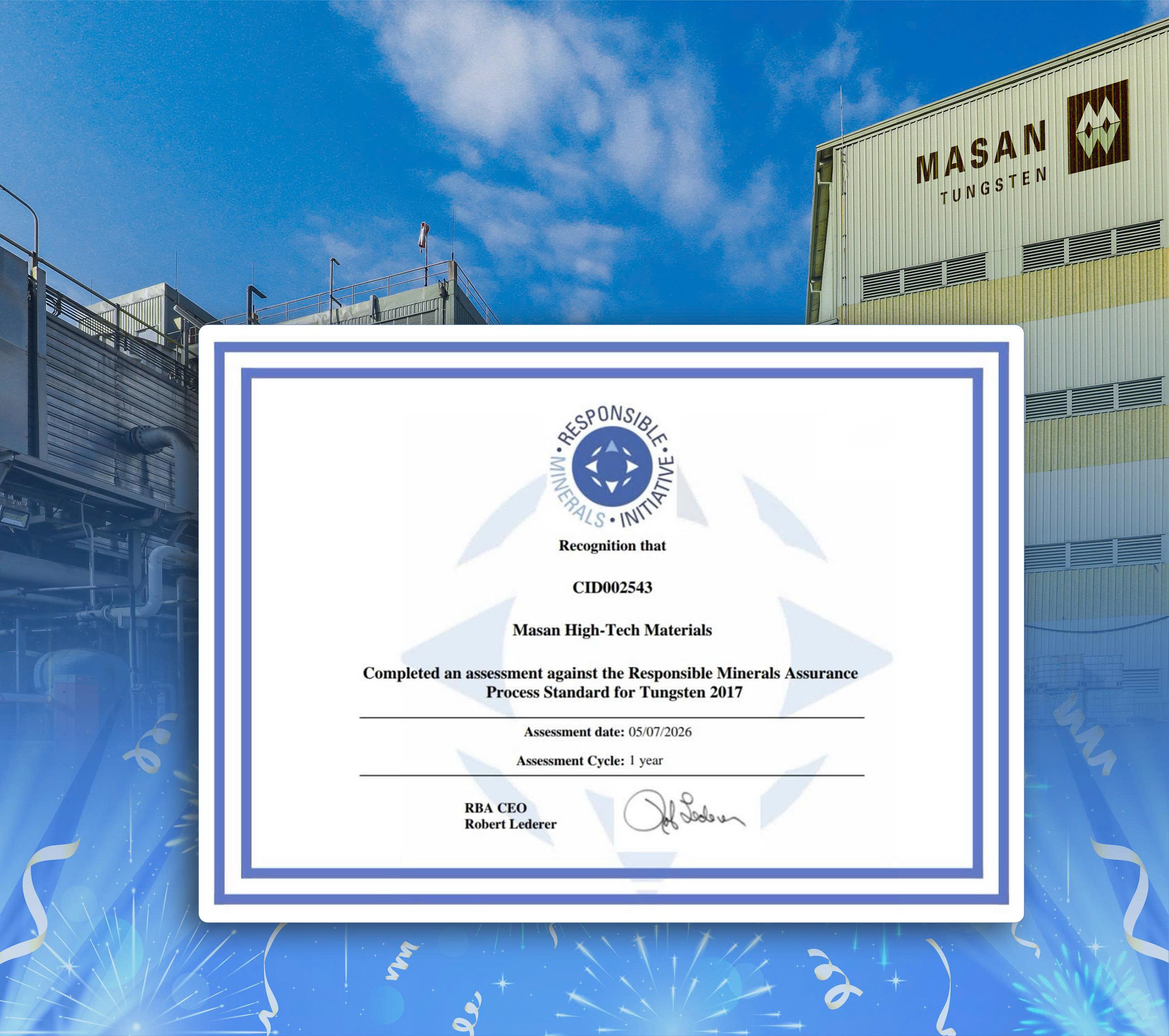
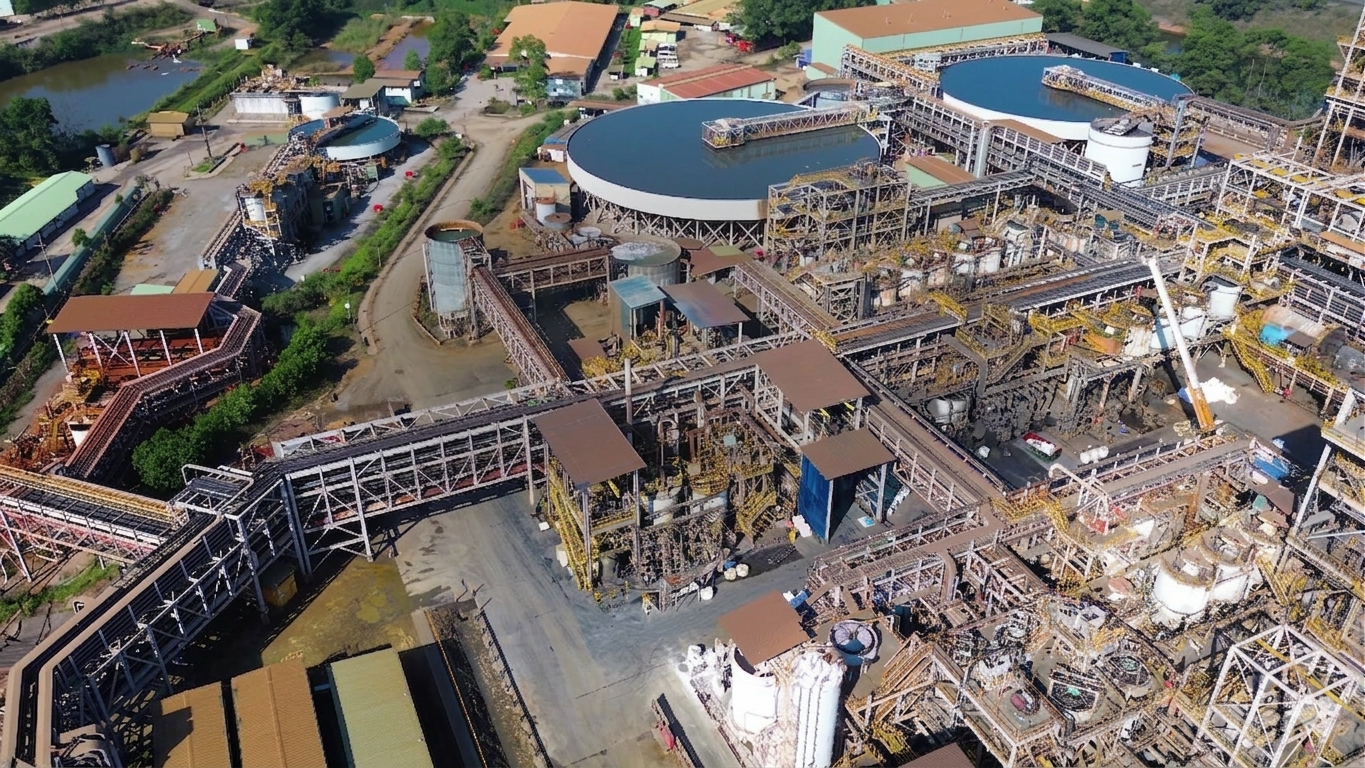
Amid the growing scarcity of supply outside of China, Masan High-Tech Materials (UpCoM: MSR) is emerging as one of the few large-scale integrated tungsten platforms globally, with a value chain extending from mining to deep processing.
According to the latest report from HSBC Global Research, MSR is currently valued at approximately 54.8 trillion VND (equivalent to nearly 2 billion USD) in the Sum-of-the-Parts (SoTP) valuation model of Masan Group.
Notably, this valuation is built on a relatively conservative tungsten price scenario, whereas actual APT prices outside of China are significantly higher. This indicates that the market may not have fully priced in the new role of strategic tungsten assets amidst the ongoing restructuring of the global supply chain.
AI, semiconductors drive new price cycle for tungsten
Not only benefiting from the price cycle, MSR is also showing clear improvement in its operational foundation. In Q1/2026, the company recorded revenue of nearly 3,000 billion VND, up 114.9% year-on-year, while net profit before non-controlling interests reached 537 billion VND—the highest level ever recorded. The EBITDA margin expanded to 35.1%, reflecting simultaneous improvements in commodity prices and operational efficiency.
Crucially, this improvement occurred even before the tungsten price cycle entered its sharp growth phase. In 2025, when APT prices were at a low point, MSR had already begun recording an EBITDA increase of over 40% and positive free cash flow, thanks to operational optimization and increased mineral recovery efficiency. This shows that current growth is not entirely dependent on the commodity cycle, but clearly reflects a significantly improved operational foundation.

At the Group level, MSR’s role is also becoming increasingly vital in the growth story and revaluation of Masan (HOSE: MSN). As strategic material assets outside of China grow scarcer, MSR is not only expected to contribute strongly in terms of profits and cash flow, but could also become one of the critical foundation platforms supporting the deleveraging process and raising the valuation of the Masan ecosystem in the medium and long term.
More importantly, MSR’s role in the global supply chain is changing. If previously the business was mainly seen as a cyclical mining company, the market is now beginning to look at assets like Nui Phao from the perspective of a “strategic asset” in the context of raw material security becoming a national priority.
This trend is unfolding globally. Many strategic material companies such as MP Materials, Lynas Rare Earths, or Almonty Industries are currently valued significantly higher by the market due to long-term expectations related to AI, defense, and supply chains outside of China. Meanwhile, MSR is still trading at a lower market capitalization despite starting to record stronger profits and cash flows.
The shift in market perception may not happen overnight. However, as major economies continue to prioritize supply chain security, scarce tungsten assets that the global industrial system cannot do without are highly likely to be revalued.
And in this new cycle, the value of companies owning strategic resource assets outside of China may no longer be measured solely by mining output, but by their role in the entire global industrial and technological system.
Source: Bao Moi