
Riding AI ‘gold rush’: Vietnam Tungsten Giant courts foreign investors ahead of planned mainboard listing
Masan High-Tech Materials plans to ramp up metal output from its Vietnam mine to tap ex-China supply gap for strategic industries.

In every gold rush, the biggest gains are not always captured by those digging for gold, but by those supplying the tools that make the digging possible.
Executives at Masan High-Tech Materials said they see the current artificial intelligence boom in similar terms, positioning tungsten as part of the “picks and shovels” behind the AI “gold rush” rather than a headline-grabbing end product.
Critical to industrial production from chipmaking to armour-piercing ammunitions, tungsten is now in an upcycle. The prices of ammonium paratungstate (APT) – an intermediate tungsten product – surged nearly 10 times over the past year to surpass US$3,100 per metric tonne unit (mtu).
This surge has been driven by tightening mining quotas and export restrictions in China – which accounted for about 80 per cent of global production in 2025.
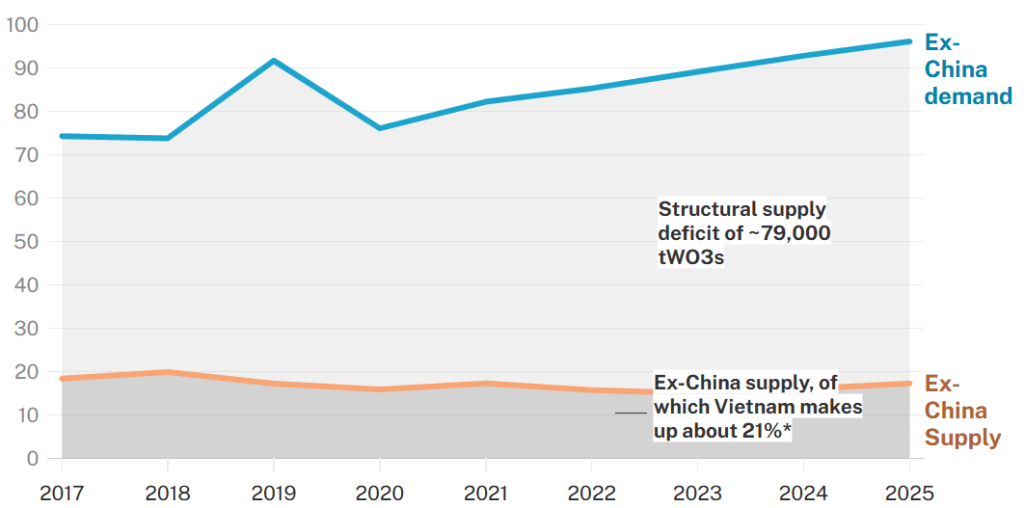
The shift to diversify supplies has left markets outside China structurally undersupplied and elevated the importance of alternative producers such as Masan High-Tech Materials.
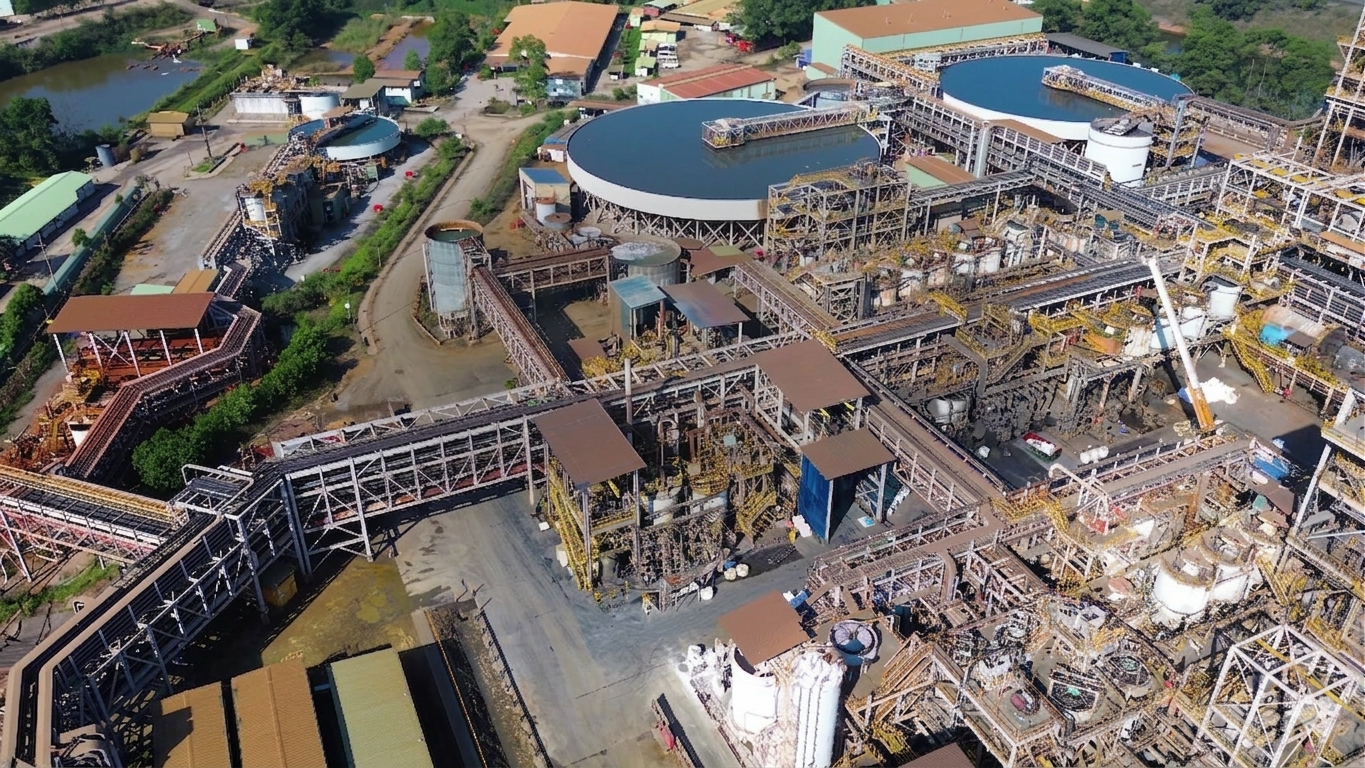
It has been operating Vietnam’s Nui Phao polymetallic mine, which is located about 100 km north of Hanoi and is one of the world’s largest tungsten deposits outside China.
Excluding China, the global tungsten market faces a severe supply deficit
Thousand tonnes of tungsten trioxide (tWO3)
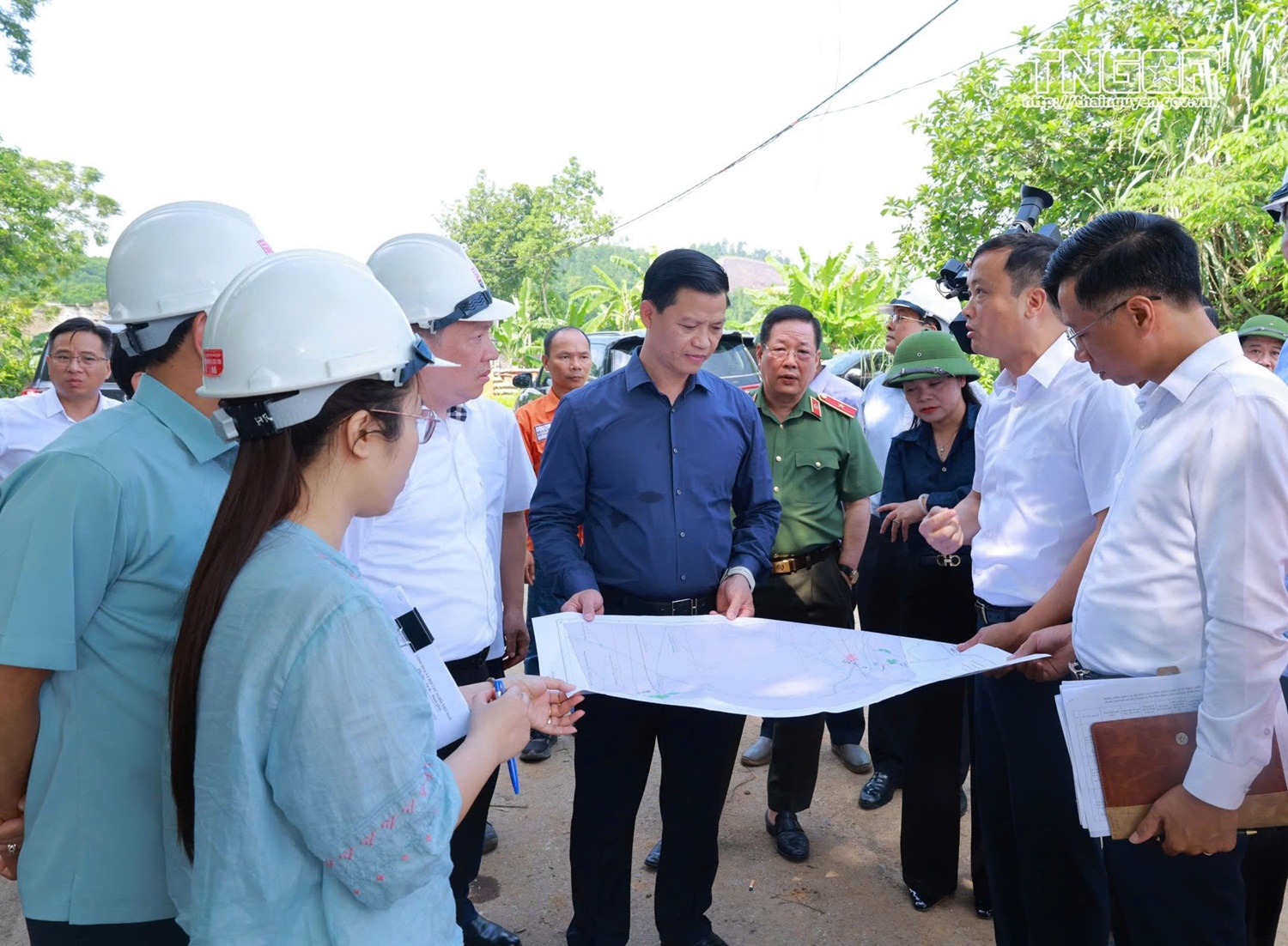
Sixteen years after acquiring Nui Phao, “our time is now”, said Michael Hung Nguyen, deputy CEO of Masan Group and vice-chairman of Masan High-Tech Materials, during a mine tour on Apr 17 with media and brokerages in the northern province of Thai Nguyen.
The mining and processing company is planning to capture favourable catalysts with a migration next year to Ho Chi Minh City Stock Exchange (HoSE), the country’s main bourse.
Its shares are currently traded on the smaller venue of the Unlisted Public Company Market at a market capitalisation of below US$2 billion.
With a trailing 12-month revenue of US$281 million and a profitable business, the deputy CEO of Masan group described the valuation – forward price-to-earnings ratio of eight – as “unfair”, relative to global peers such as Nasdaq-listed Almonty Industries or Hong Kong-listed Jiaxin International Resources.
The HoSE migration will be accompanied by stake sales to employees, existing shareholders and other investors over the coming year, with 5 per cent on offer in the first phase, said Nguyen. He added that the company is also in discussions with potential strategic partners in Japan, Europe, the US and Australia.
The initial goal is to have 10 per cent of shares held by minority shareholders to meet HoSE’s listing requirement. Masan High-Tech Materials remains nearly 95 per cent held by Masan Group – one of Vietnam’s largest retail-consumer conglomerates – through its wholly owned subsidiary, Masan Horizon.
“If there is interest, then we’ll consider going lower,” he added. “A listing on HoSE will also give Masan Group an opportunity to further reduce its ownership in the non-core business (of mining), as well as provide significantly greater flexibility for strategic investors (in managing their positions).”
However, the company wants to maintain Vietnamese control over strategic minerals. It noted that the government is also encouraging a more welcoming and investable environment to attract foreign capital and technology into Vietnam’s resource sector.
“When we say it is non-core, it doesn’t mean that I will just throw it away for free,” Nguyen said. “We appreciate the value significantly, and that value, we believe, will be recognised in the capital market.”
Critical materials for strategic industries
Speaking at the mine tour, Aditya Aggarwal, deputy CEO of Masan High-Tech Materials, highlighted that tungsten is critical in the semiconductor etching process and ultra-thin wires for wafer slicing, while fluorspar is utilised in cooling systems for energy-intensive data centers.
“We are ready to meet the demand for both tungsten and fluorspar for the AI boom,” he said.
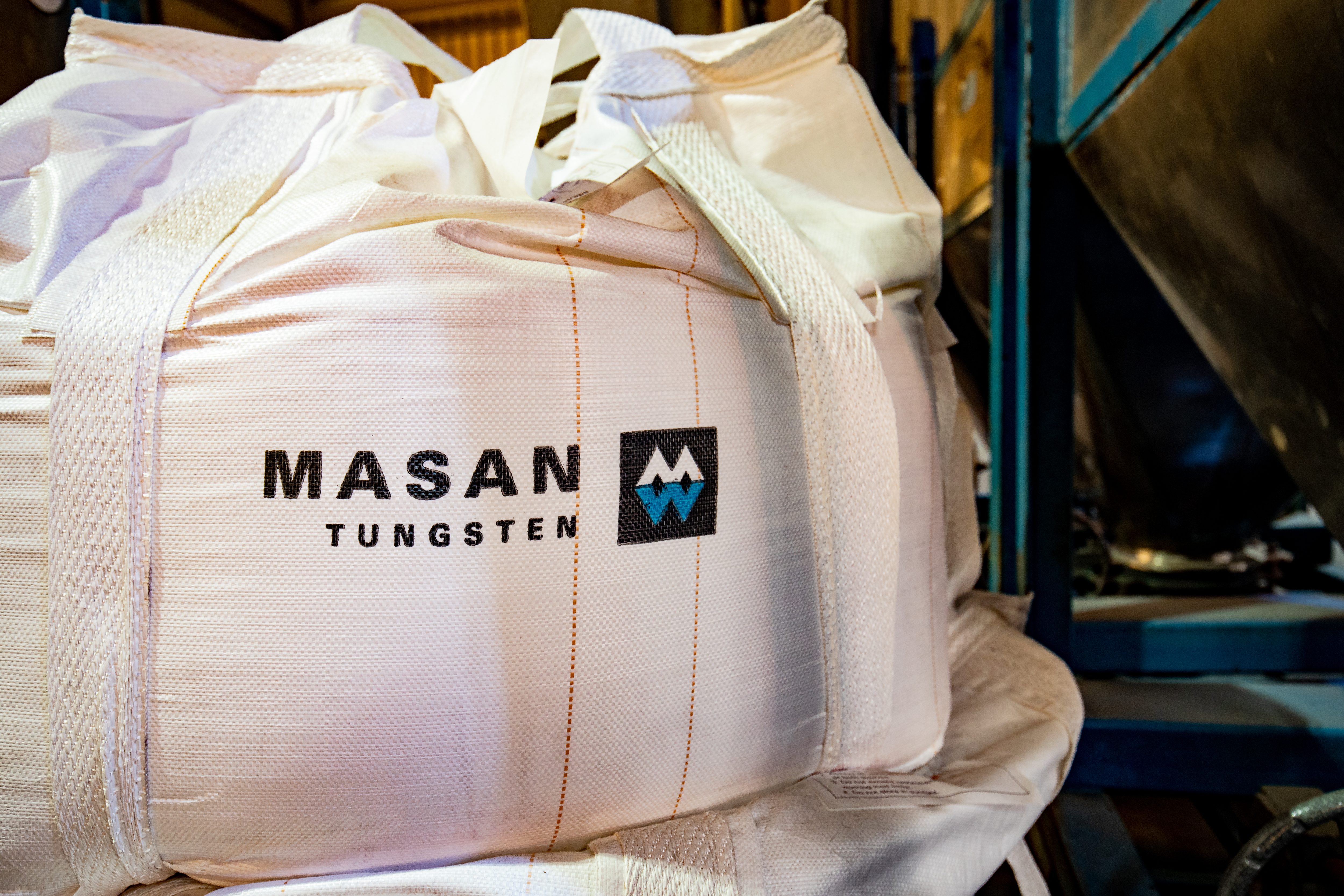
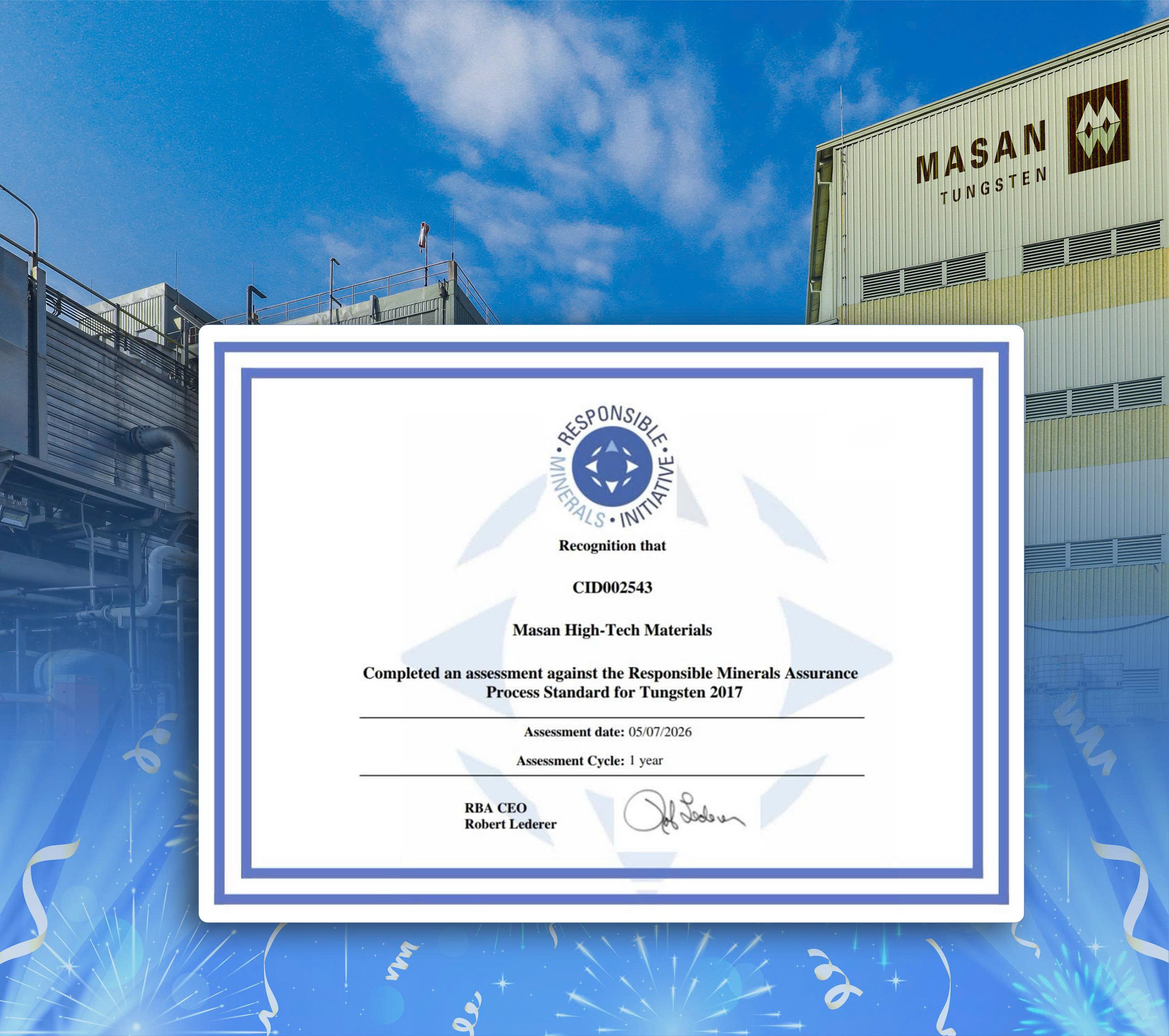
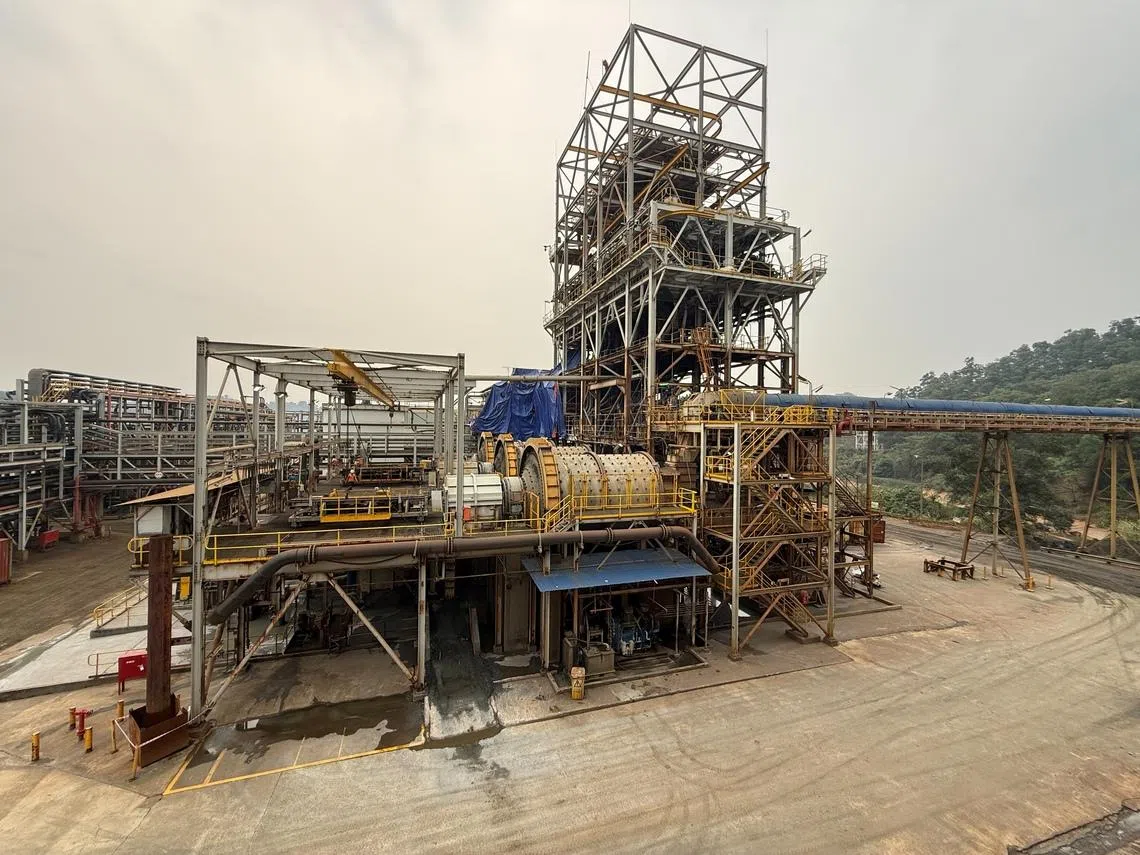
Unlike many miners, Masan operates an integrated model. It extracts ore from Nui Phao as well as importing concentrate from external sources, before refining it into higher-value products such as APT at its nearby facility – one of the few large-scale tungsten chemical-processing factories outside China.
Besides tungsten, which is currently its largest business and contributes 60-80 per cent of annual revenue, the company also monetises fluorspar, copper and bismuth from the Nui Phao resource base.
Aditya witnessed surging demand in markets such as Japan and South Korea, where many of Masan High-Tech Materials’ customers are serving the AI industry.
“We believe AI is a structural demand driver that is not cyclical in nature and will continue for the next couple of decades,” he added.
Output ramp-up as profit driver
As Nui Phao’s first mining phase at a 55.2-million-tonne reserve is largely finished after more than a decade of excavation, Masan High-Tech Materials is transitioning to a new mining phase in a 28-million-tonne ore body.
The company expects tungsten concentrate output ramp-up from its Nui Phao mine over the next decade, betting that surging demand from industries including AI and defence – alongside limited supply outside China – will support its production and profitability.
Output increase is expected to take shape from 2027 as mining operations move into higher-grade zones. This comes alongside a potential extension of mine life to 2036 through the Nui Phao expansion and adjacent Nui Chiem area.
Average annual tungsten concentrate output from Nui Phao between 2026 and 2036 is projected at around 3,700 tonnes, roughly double the 2025 level.
“Nui Phao is entering a phase in which, over the next five years, tungsten production will grow without a significant increase in cost,” said Aditya Aggarwal.
“We are going to have higher feed rates, which will be a major profit driver for the company,” he added, noting that profitability would improve regardless of tungsten price movements.
In 2026, Masan High-Tech Materials expects revenue to more than double to triple year on year, reaching 16 trillion (S$776.9 million) to 20.3 trillion dong and surpassing its previous record in 2022.
Net profit after tax is also projected to reach up to 2.5 trillion dong in 2026 under a scenario of APT price averaging at US$1,164 per mtu.
This marks a sharp improvement from 2025 net profit after tax of 11 billion dong, which was already a significant turnaround from losses exceeding 1.5 trillion dong in 2023 and 2024.
Masan High-Tech Materials is exploring recycling and third-party processing to expand its business, positioning itself as both a producer and intermediary in global tungsten flows.
“The reason we are in this position – and why customers buy our product – is that we are their primary non-Chinese source,” Michael said, while acknowledging that Vietnam’s output is small relative to China’s scale. “We remain critical to the rest of the world.”
Source: Business Times